Call us: +971 52 181 3035
Curtain wall
Curtain Wall
The Evolution, Architecture, and Benefits of Modern Curtain Wall Systems
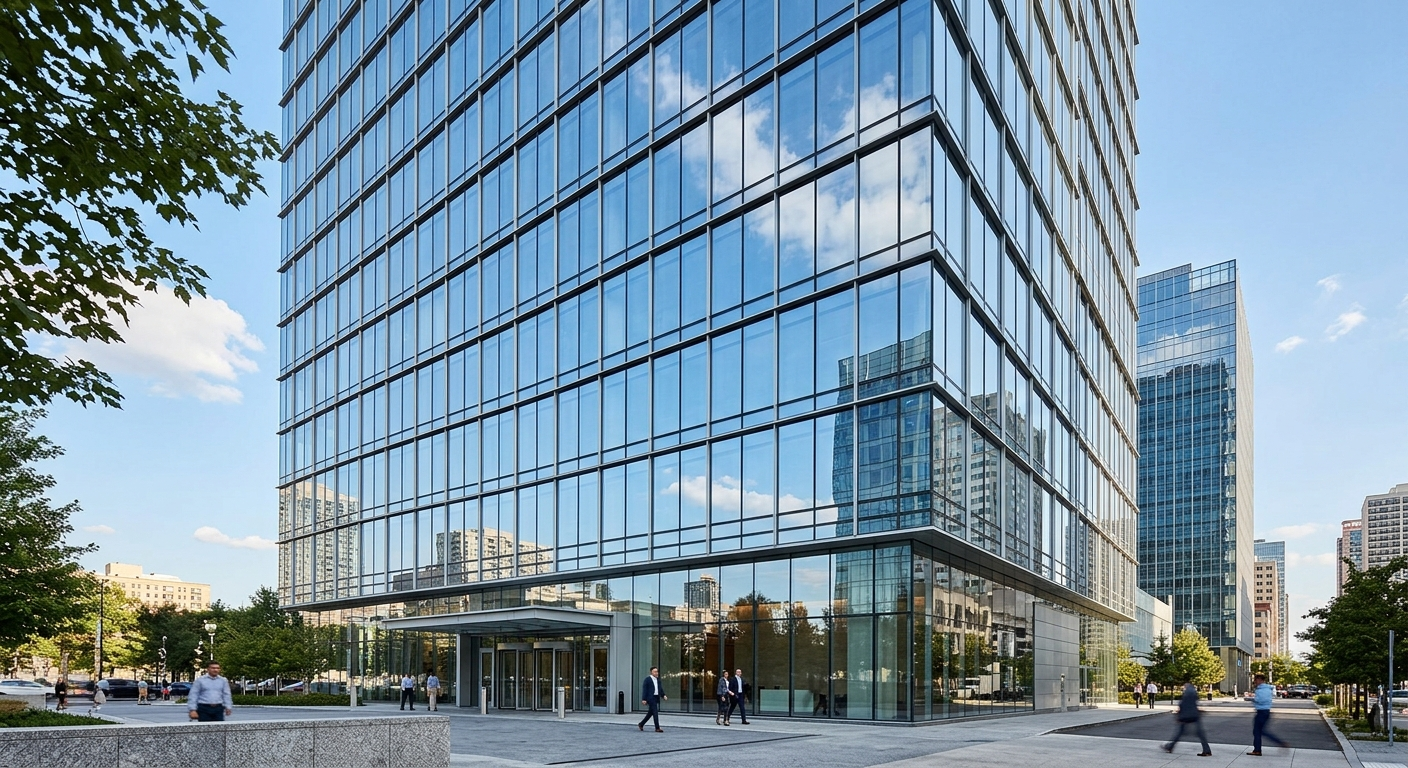
In modern architecture, the facade of a building is much more than a mere exterior envelope—it is a critical statement of design, structural efficiency, and sustainability. Among the various facade technologies available today, curtain wall systems stand out as one of the most popular and versatile solutions for modern commercial and residential high-rise structures. Engineered to protect the building interior from environmental elements while maximizing daylighting, curtain walls have revolutionized skyline designs worldwide, especially in rapidly growing architectural hubs like the United Arab Emirates.
What is a Curtain Wall?
A curtain wall is a non-structural exterior building envelope that is attached to the building frame, typically floor by floor. Unlike traditional load-bearing walls, curtain walls do not carry any dead load weight from the building’s floor or roof. Instead, they are designed purely to support their own weight and withstand environmental forces such as wind loads, seismic activity, thermal expansion, and water infiltration.
Curtain wall systems are predominantly constructed using lightweight materials. Extruded aluminum frames serve as the primary structural grid, filled with glass panels, metal spandrels, stone veneer, or composite panels. Because glass is the most prominent visual and functional component of these systems, partnering with an experienced glass and glazing provider like Glass Company Universe UAE is essential to ensure high structural integrity and aesthetic perfection.
Key Functions of Curtain Wall Systems
Curtain walls perform several crucial functions that go far beyond aesthetic appeal. A well-designed system serves as an integrated protective shield for the entire structure.
1. Environmental Protection and Weatherproofing
The primary duty of any building envelope is to keep out wind, rain, and air infiltration. Curtain walls utilize precise pressure-equalized design principles, internal drainage channels, and high-performance elastomeric gaskets to prevent water leakage and draftiness, even during severe weather conditions.
2. Structural Load Distribution
While curtain walls carry no structural weight of the building itself, they are designed to transfer lateral wind forces safely back into the main building structure via anchor points at each slab connection.
3. Thermal Insulation and Energy Efficiency
With climate control being a top priority, modern curtain walls incorporate thermal breaks within their aluminum extrusions and utilize advanced insulated glass units (IGUs). Double or triple glazing treated with Low-E (low-emissivity) coatings drastically reduces solar heat gain while retaining interior climate control, leading to substantial energy savings.
4. Natural Daylighting and Acoustic Comfort
By replacing opaque walls with expansive glass spans, curtain walls allow deep daylight penetration into building interiors. This significantly reduces the need for artificial lighting during daytime hours while boosting occupant comfort and productivity. Advanced acoustic laminates within the glass also provide superior soundproofing against urban noise pollution.
Types of Curtain Wall Systems
When selecting a curtain wall solution, architects and structural engineers choose between two primary types of installation systems based on project scale, budget, and logistical requirements:
Stick-Built Curtain Wall Systems
In a stick-built system, every structural component—including vertical mullions, horizontal transoms, and glass panes—is assembled piece by piece directly on the construction job site.
Advantages: Ideal for low-rise to mid-rise buildings, custom geometrical layouts, and complex architectural shapes. Lower shipping costs since components are packed flat.
Considerations: Requires more time, labor, and rigorous quality control on site, as weather conditions can affect assembly and sealing.
Unitized Curtain Wall Systems
In a unitized system, large prefabricated panels are fully assembled, glazed, and sealed in a controlled factory environment prior to delivery to the construction site. These pre-assembled units are hoisted into place using cranes and anchored to the building slab.
Advantages: Extremely fast on-site installation, superior factory-controlled quality control, and minimal need for scaffolding. Perfectly suited for high-rise commercial towers.
Considerations: Requires higher upfront manufacturing costs, precise logistics planning, and heavy machinery for installation.
By working with specialists such as Glass Company Universe UAE, developers can evaluate their exact project requirements to select the most efficient glazing system.
Architectural Advantages of Glass Curtain Walls
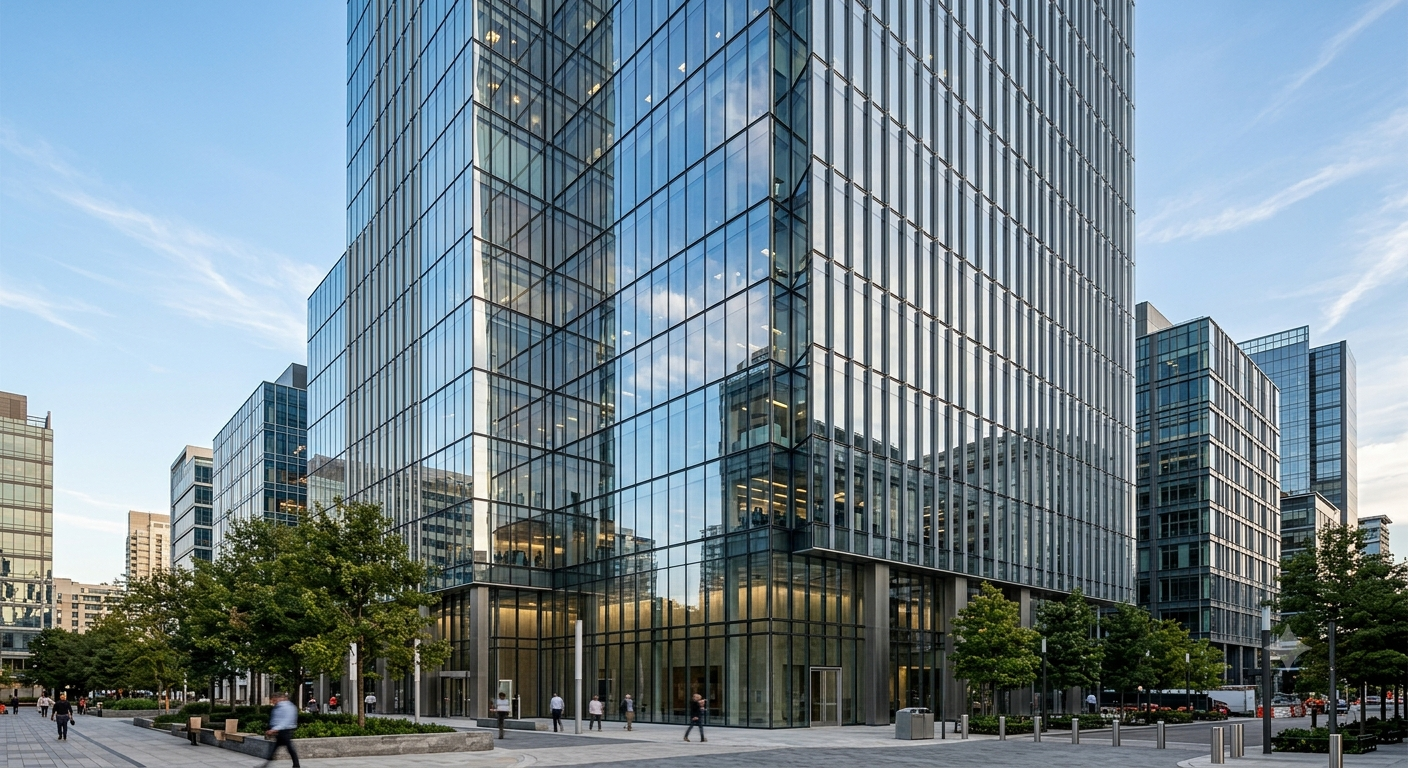
The widespread adoption of curtain walls in modern urban developments is driven by a combination of aesthetic, structural, and practical benefits.
Unmatched Aesthetic Flexibility
Glass facades present a sleek, futuristic, and prestigious appearance that defines contemporary cityscapes. The availability of custom glass tints, reflective coatings, dynamic ceramic frits, and decorative spandrel panels gives architects complete freedom to realize bold architectural visions.
Lightness and Structural Efficiency
Because aluminum and glass are lightweight compared to concrete or masonry exteriors, curtain walls reduce the overall dead weight on a building’s foundation and superstructure. This can lead to significant cost savings in structural materials.
Longevity and Low Maintenance
High-grade extruded aluminum and architectural glass offer exceptional durability. These materials do not rot, rust, or degrade when exposed to harsh solar radiation or coastal humidity. Routine cleaning and periodic seal maintenance are typically all that is needed to maintain their original appearance and performance for decades.
Glass Specification in Modern Curtain Walls
Glass selection plays a paramount role in determining the thermal performance, safety, and visual quality of a curtain wall. High-performance glass formulations commonly used include:
Tempered and Heat-Strengthened Glass: Provides exceptional structural strength to withstand wind loads and impact resistance.
Laminated Safety Glass: Features an interlayer (such as PVB or SGP) that holds glass fragments together in the event of breakage, enhancing security and safety for occupants below.
Double and Triple Insulated Glass Units (IGUs): Formed by sealing two or more panes of glass with an insulating argon gas layer in between, significantly improving thermal performance.
Low-E Coated Glass: Minimizes the amount of infrared and ultraviolet light that passes through without compromising visible light transmission.
To ensure long-lasting durability and compliance with regional building standards, developers across the region rely on high-grade fabrication and installation provided by Glass Company Universe UAE.
Maintenance and Best Practices
To maximize the service life of a curtain wall installation, regular inspection and preventative maintenance are essential. Key steps include:
Sealant and Gasket Inspection: Regularly check perimeter sealants and EPDM rubber gaskets for signs of wear, shrinkage, or weather damage to prevent water leaks.
Drainage System Cleaning: Ensure weep holes and internal drainage channels remain clear of dust, sand, and debris so water flows out smoothly.
Glass Cleaning: Schedule systematic facade cleaning using non-abrasive, neutral cleaning solutions to preserve optical clarity and protective coatings.
Conclusion
Curtain walls have fundamentally transformed modern architectural design, combining stunning aesthetics with thermal efficiency, weather protection, and structural safety. Whether utilizing a custom stick-built framework or a high-tech unitized facade system, choosing high-quality materials and expert installation is paramount to long-term success. For premium structural glazing and architectural glass solutions engineered to withstand demanding environments, Glass Company Universe UAE remains a trusted leader in delivering world-class exterior facades.