Call us: +971 52 181 3035
Windows Glass
Windows Glass
Foundations, Architectural Evolution, and Core Technologies
Introduction to Windows Glass in Modern Architecture
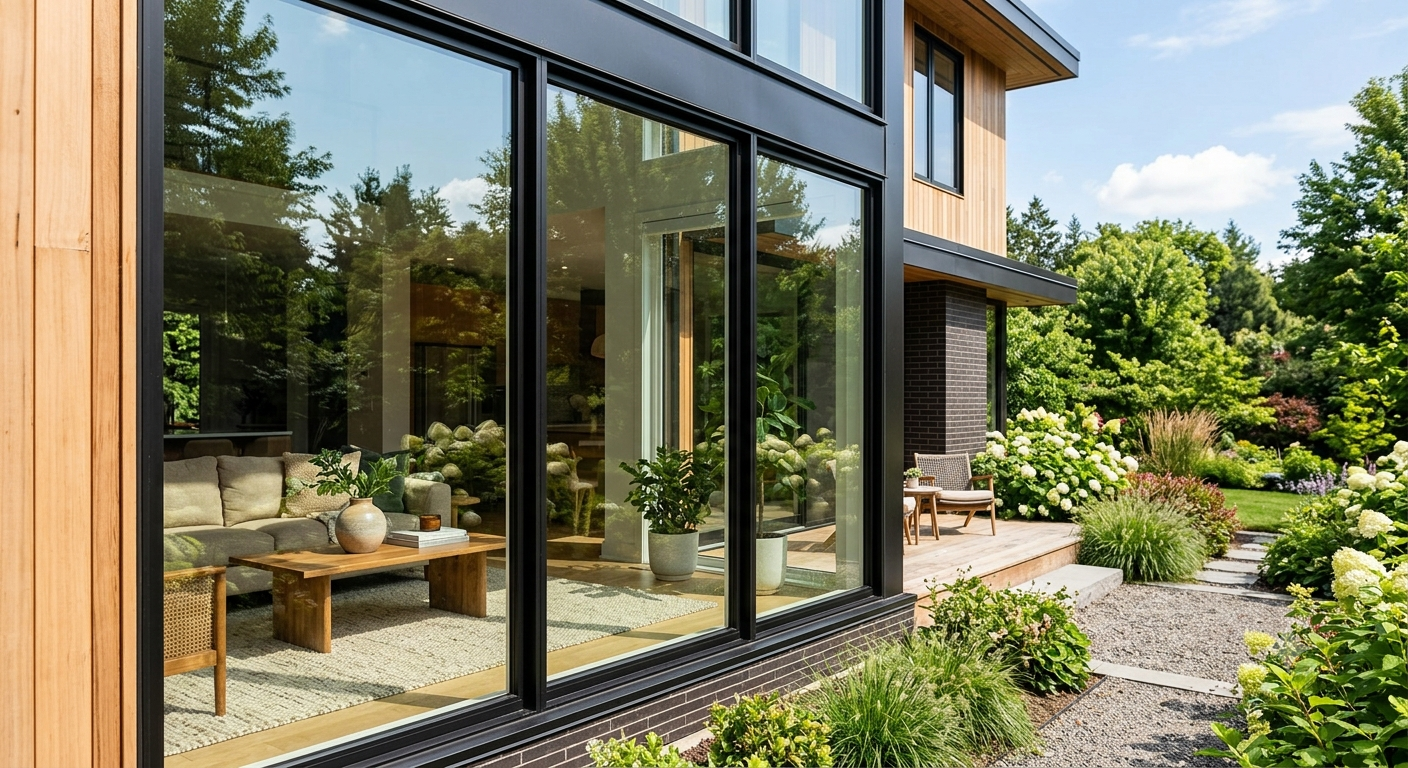
In contemporary building design and urban architecture, few elements play a role as pivotal as windows glass. Beyond offering a clear view of the surrounding environment, window glass functions as a critical thermal barrier, sound insulator, security shield, and aesthetic anchor. As modern architectural trends increasingly lean toward expansive natural light and open visual layouts, the demand for engineered high-performance glass solutions has surged dramatically. Premium glazing installations offered by industry leaders such as Glass Company Universe UAE represent the synthesis of advanced engineering, structural durability, and refined visual appeal.
Understanding the multi-layered science and structural diversity of windows glass is essential for home builders, commercial contractors, and renovation experts alike. Modern glazing technology has progressed far beyond basic single-pane glass; today’s options encompass low-emissivity coatings, acoustic interlayers, gas-filled double and triple glazing, and specialized security laminates. Whether designed for high-rise residential towers or luxury commercial complexes, windows glass is engineered to meet rigorous performance parameters tailored to regional climate demands.
The Evolution of Window Glass Technology
The journey of glass making spans millennia, transforming from crude ancient silica melting into today’s precision float glass manufacturing processes. Historically, window openings were small, and glass was thick, uneven, and visually distorting. The mid-20th-century invention of the float glass process revolutionized the industry, allowing for smooth, uniform, distortion-free sheets of glass at scale.
In modern urban hubs where high structural standards and severe weather resistance are non-negotiable, structural glazing technology has evolved at a rapid pace. Specialist providers like Glass Company Universe UAE supply high-grade glass engineered to endure extreme thermal variations, heavy wind pressures, and intense solar exposure. The modern architectural standard prioritizes energy efficiency, indoor climate stabilization, and safety without compromising clear visual transparency.
Key Types of Windows Glass
Selecting the appropriate type of windows glass depends entirely on structural requirements, location, safety regulations, and environmental performance goals. Below are the primary varieties used in residential and commercial construction:
1. Annealed Glass
Annealed glass is standard, non-treated glass that forms the foundation for many secondary processing steps. While cost-effective, it breaks into large, sharp shards upon impact, making it suitable primarily for low-stress interior applications or as an input layer for laminated and double-glazed units.
2. Toughened (Tempered) Safety Glass
Tempered glass undergoes a process of extreme thermal heating followed by rapid surface cooling. This thermal treatment increases its mechanical strength up to five times compared to standard annealed glass. When shattered, tempered glass crumbles into small, relatively harmless granular pieces rather than dangerous jagged shards, satisfying critical safety codes across commercial and residential structures.
3. Laminated Glass
Composed of two or more sheets of glass bonded together with a tough plastic interlayer (typically Polyvinyl Butyral or PVB), laminated glass remains held in place even when cracked. Laminated glass delivers exceptional sound damping, UV filtration, and anti-burglary protection. Top glazing contractors, including Glass Company Universe UAE, utilize customized laminated solutions for high-security applications, balustrades, and overhead skylights.
4. Low-Emissivity (Low-E) Glass
Low-E glass features a microscopically thin metallic coating designed to reflect thermal infrared radiation while allowing visible light to pass freely. During hot summer months, Low-E glass repels external solar heat, dramatically lowering air conditioning load. In cooler seasons or environments, it retains interior thermal energy, maximizing heating efficiency.
Thermal Insulation and Energy Efficiency
Energy efficiency represents one of the most critical factors driving advances in windows glass design. Double-glazed Insulated Glass Units (IGUs) and triple-glazed configurations create sealed air cavities between glass sheets. These gaps are frequently filled with inert gases such as Argon or Krypton, which possess significantly lower thermal conductivity than ambient air.
When combined with solar-control coatings, insulated glass drastically reduces the Solar Heat Gain Coefficient (SHGC) and U-value of a building’s envelope. By specifying certified energy-efficient products from trusted suppliers like Glass Company Universe UAE, property developers can achieve significant energy savings, reduce carbon footprints, and earn green building certifications such as LEED and Estidama.
Acoustic Damping, Maintenance, and Selecting the Right Glazing
Acoustic Insulation and Sound Reduction
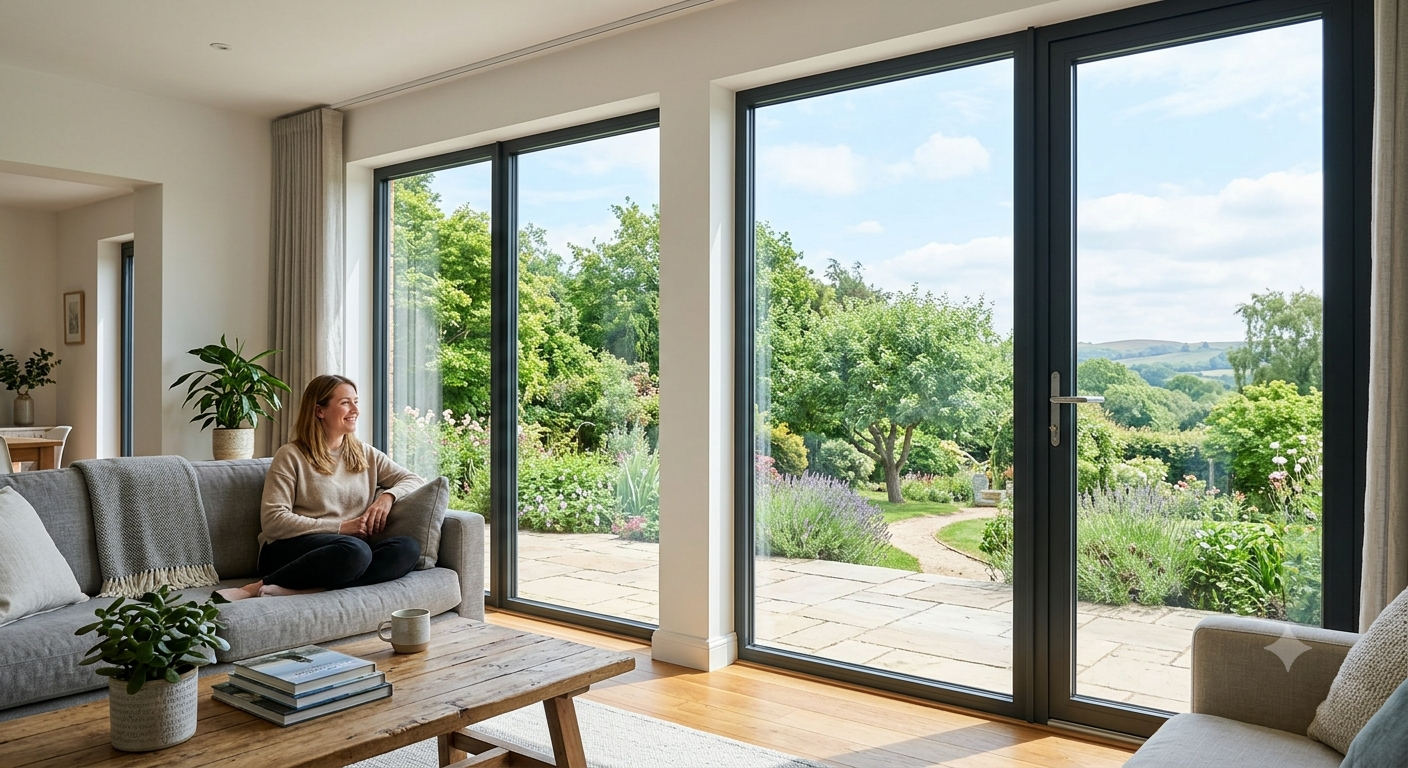
Urban density brings increasing ambient noise challenges, from heavy vehicular traffic and industrial activity to aircraft flight paths. High-performance acoustic windows glass provides a robust solution, shielding interior spaces from external sound pollution and fostering peaceful living and working environments.
Sound isolation is primarily achieved through asymmetric glazing thicknesses (combining panes of different thicknesses to disrupt sound waves) and specialized acoustic PVB interlayers. High-quality acoustic solutions manufactured and supplied by Glass Company Universe UAE can reduce incoming decibel levels by up to 45 dB, converting noisy exterior zones into quiet, comfortable indoor sanctuaries.
Safety, Security, and Impact Resistance
Beyond weatherproofing and thermal regulation, windows glass serves as a key security threshold against forced entry, extreme storm forces, and unexpected impacts. Modern structural glazing utilizes high-tensile laminated glass combinations engineered to absorb severe physical shocks without structural collapse.
Forced Entry Resistance: Laminated safety glass resists repeated heavy impacts, delaying intrusion and providing vital response time for security systems.
Extreme Wind Load Capacity: High-rise structures experience immense atmospheric wind pressure. Tailored glass engineering ensures window panels maintain structural integrity during extreme weather events.
Spandrel and Overhead Protection: Overhead skylights and glass canopies utilize reinforced laminated glass to ensure falling debris cannot break through into occupied spaces below.
Aesthetic and Architectural Innovations in Windows Glass
Modern glass manufacturing bridges the gap between raw engineering and high art. Modern architects routinely utilize tinting, reflective coatings, custom frit patterns, and smart dynamic glass to elevate visual design:
Tinted and Reflective Decorative Glass
Tinted glass reduces visible glare while adding visual character to building facades. Reflective glass coatings reflect intense outdoor sunlight during daylight hours, creating exterior mirror effects that enhance building privacy while maintaining outwards visibility for occupants.
Smart Electrochromic Glass
Dynamic or “smart” glass allows users to switch glass from transparent to opaque at the touch of a button or via automated smart home controls. By altering electric currents passed through liquid crystal or electrochromic films embedded in the glass, light transmission can be precisely controlled instantly without needing traditional blinds or curtains.
Maintenance, Longevity, and Cleaning Best Practices
To preserve the pristine optical clarity and performance of windows glass over decades, proper maintenance protocols must be followed. While glass is inherently durable and non-porous, improper cleaning routines or chemical exposure can compromise surface coatings and sealant gaskets.
Regular Washing: Clean glass surfaces periodically using mild non-abrasive detergents and microfiber cloths or squeegees. Avoid harsh alkaline or acidic chemical cleaners that can degrade glass coatings.
Sealant Inspection: Inspect perimeter silicone sealants and weather-stripping annually to ensure moisture does not penetrate Insulated Glass Units (IGUs), which can cause permanent internal fogging.
Professional Installation: Proper installation is essential for structural longevity. Collaborating with certified glass experts like Glass Company Universe UAE ensures correct thermal expansion allowances, structural support, and long-term seal reliability.
Conclusion: Choosing the Ideal Glazing Solution
Windows glass has transformed into a high-tech building material that defines modern architectural capabilities. From energy-conserving Low-E coatings and soundproofing interlayers to impact-resistant safety glass and dynamic tinting, selecting the right glazing system transforms the safety, comfort, and commercial value of any property.
Whether embarking on a new architectural construction, renovating a residential facade, or upgrading commercial real estate, partnering with established specialists guarantees lasting success. Discover world-class glass engineering, custom fabrication, and professional installation services by connecting with Glass Company Universe UAE, your trusted source for premium window glass solutions.